
If it’s your first trip to the festival it can be easy to fall victim of common newcomer mistakes, which could cost you your enjoyment of the weekend. Even if you’ve attended other mainstream music festivals previously – Glasto is a whole different beast. Here’s five of the biggest mistakes that many (including myself) have made in the past, and how to avoid them.
5. Worrying too much about the music line-up
It might seem bizarre to those who are unfamiliar with Glastonbury Festival that the tickets typically sell out long before the artist line-up is revealed. After all, why would you pay a significant sum to attend a music festival where you might not be interested in any of the music?

The answer to this actually lies in Glasto’s unabridged moniker: Glastonbury Festival of Contemporary Performing Arts. That is to say the weekend is a showcase of performance and culture in many forms, and is about far more than just the music. In fact, you can typically find other mainstream festivals putting on bigger names as headliners, or with a much more focused genre appeal. Glasto remains the perfect festival for discovering new music, with more variety than you could shake a stick at – but you’ll ultimately discover far more than just new music.
This is why the artist line-up itself should never be a cause for concern, whether that’s because of a lack of bands that interest, or due to too many acts clashing on different stages simultaneously – and having to painfully choose which one to see! With over 100 stages, and everything from fire-breathing to poetry to dance classes, you can quite easily avoid the music all weekend long, and still have an unforgettable experience.
4. Sticking to the main stages
This is really an extension of the previous point, but it goes to show just how important this aspect of the festival is to understand. No doubt you’ll remember seeing a beloved artist on the Pyramid stage for years to come, but you’ll also long remember the evening you stumbled into a strange tent hidden within the trees and found a new, obscure artist in an intimate and unforgettable setting.
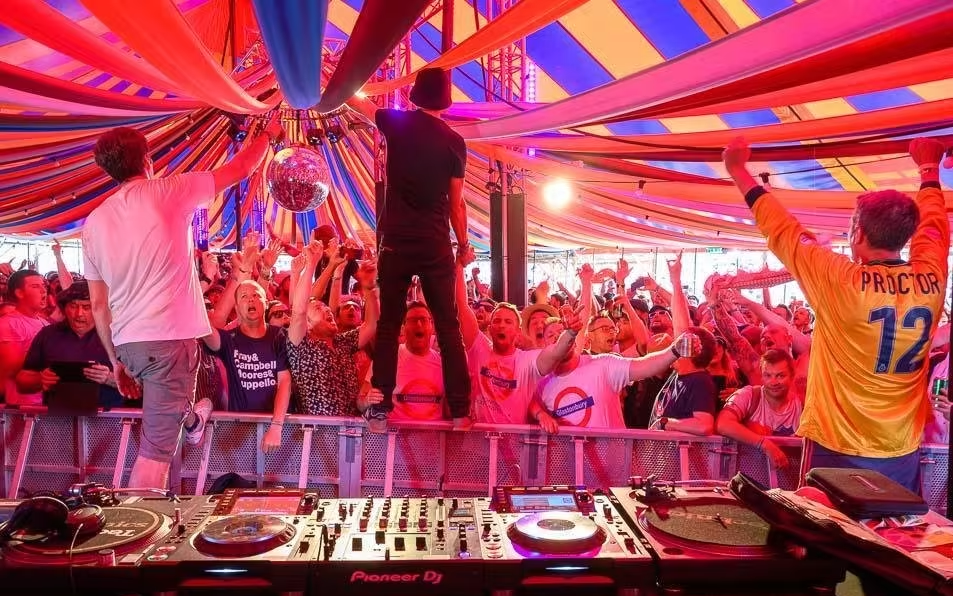
These are the kind of moments that only happen at Glastonbury, and you don’t want to miss them. The great thing about the place is that if there’s any gap in your schedule, you can quite literally sit down at any stage, or wander in any direction, and you’ll always find something new and interesting.
3. Not going out after dark
Obviously, this can depend on your age and priorities, but it’s well worth staying up late for at least one of the nights, if not all of them. Glastonbury is truly a 24 hour festival and those that retreat to their tent after the headline acts quite literally deprive themselves of a whole new world of music, entertainment and experiences.
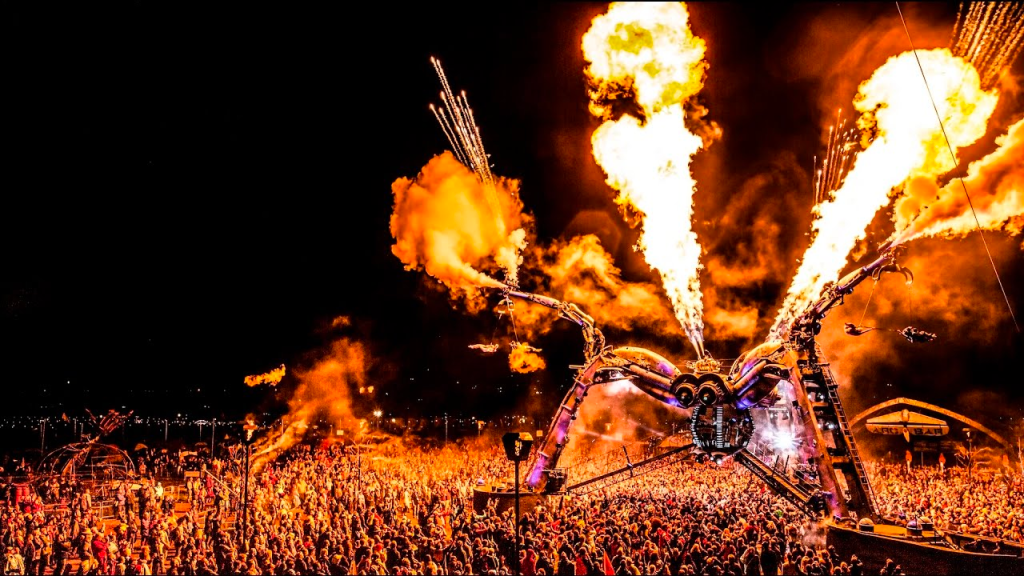
The world of Glastonbury takes on a whole different meaning after dark. Areas that may have felt lifeless (by glasto standards at least) during the daylight hours often explode with top music acts, performances and truly come to life in the night time. The infamous south-east corner (Shangri-la et. al) is simply unmissable and should be a priority on every attendees list; truly a spectacle of impressive installations and diverse locales to take in. There’s a lot more going on in this one small corner than most music festivals have on their entire site.
And that’s not to say that the early hours are reserved for the youngsters, dancers and ravers. As with the daytime, there’s something for everyone to be discovered in the festival after dark. Whether that’s a lively inn with folk music, a risqué burlesque show, or some relaxing sunrise meditation at the sacred space, don’t make the mistake of missing any of it.
2. Not picking a camping spot carefully
It’s very easy to not consider where you’d like to set up your tent before arriving at the festival gates. It’s even easier to get in, not want to carry your bags across the entire site, and plonk your belongings in the first available field that you come across. As many have found out the hard way, this could be the single biggest mistake you could make.
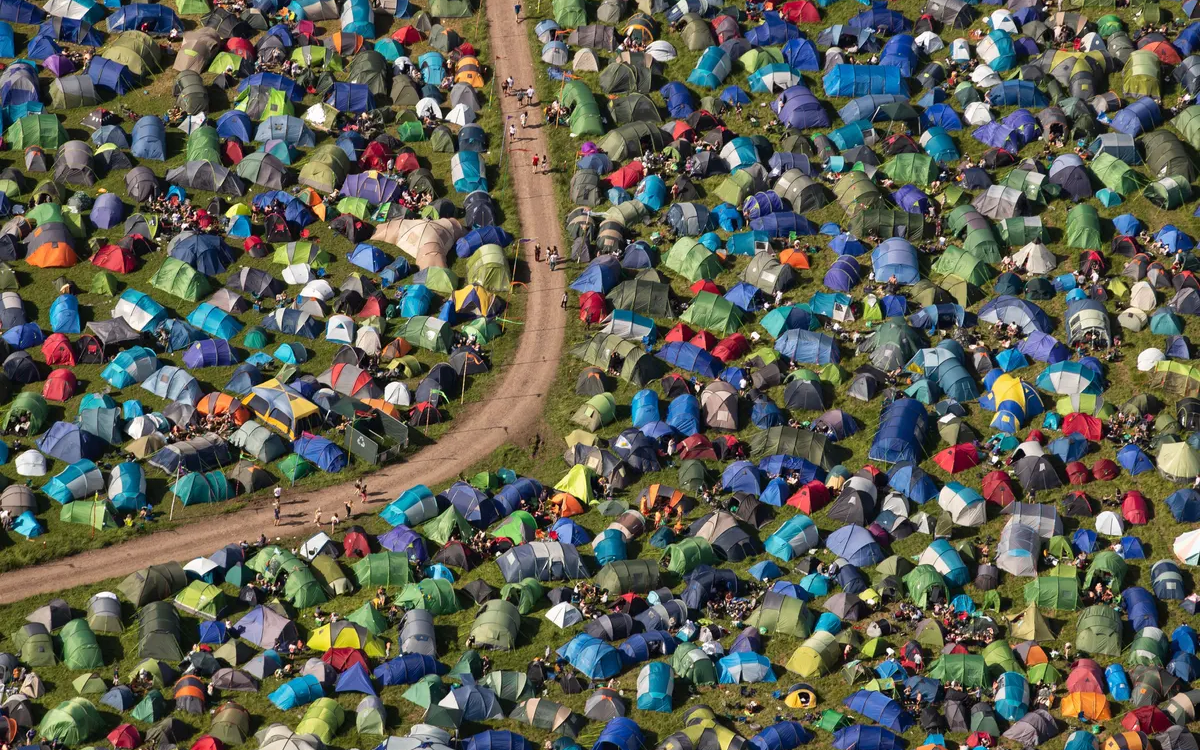
There are so many available camping fields at the festival that it can be overwhelming, and even harder to know which ones should be avoided. With that in mind, it’s well worth checking out the Glasto map in the weeks leading up to the festival to eye potential spots, and a couple of factors that you should absolutely prioritise:
- Distance to stages – Assuming you’ve checked the line-up, you should have a good idea of which artists you are most interested in seeing, and which stages they are performing on. Are most of them performing on the Other Stage? Great, then head for Oxlyers, a campsite so close that you’ll quite literally be able to sit at your tent and listen to the acts.
- Distance to the path – Something of a double-edged sword; Being close to the footpath makes it easy to locate your tent (especially in the dark) and you don’t need to worry about tripping over guy ropes and tent pegs trying to make it into bed after dark. On the other hand, you’ll have to contend with the sound of footsteps and chatter beside you when sleeping if near a busy nighttime walkway, and (sadly) you become more of an easy target for tent intruders/thieves.
- Distance to amenities – Key amenities around the campsites are the Toilets, Water taps and the Property lock-ups. You may expect to use some of these more than others, so plan accordingly.
- Elevation – Less interesting but potentially the most important consideration. If your desired spot appears to be at the bottom of a hill or valley, avoid it at all costs. British weather is unpredictable, and the large crowds mean that even an hour or two of rain quickly turns the site into a mire of mud and puddles. Low-elevation areas have flooded plenty of times before, and a flooded tent is a quick way to ruin your whole experience. If you want to be a happy camper – don’t risk it.
It might be a pain to convince yourself (and possibly your friends/family) to lug all of your gear the extra half mile on that first day in order to reach your ideal campsite. But the extra time spent here really pays off over the course of the festival, since you’ll have much less walking to do each day to get to the action. Obviously, getting the perfect camping spot is easier said than done. The more popular locations, such as Oxlyers, will fill up quickly on the Wednesday. You’ll need to head to the festival as early as possible if you want to guarantee your spot, and have a backup option in case of travel delays.
1. Underestimating the size of the festival
There’s not a single person that arrives at Glastonbury for the first time and says: “It’s smaller than I expected”. The festival is truly enormous in scale, and needs to be prepared for accordingly. As a first-timer it’s very easy to lose your bearings, so be sure to become familiar with the major landmarks (Pyramid stage, Ribbon Tower, etc.) and pick a suitable meeting spot to use if a member of your group gets lost.
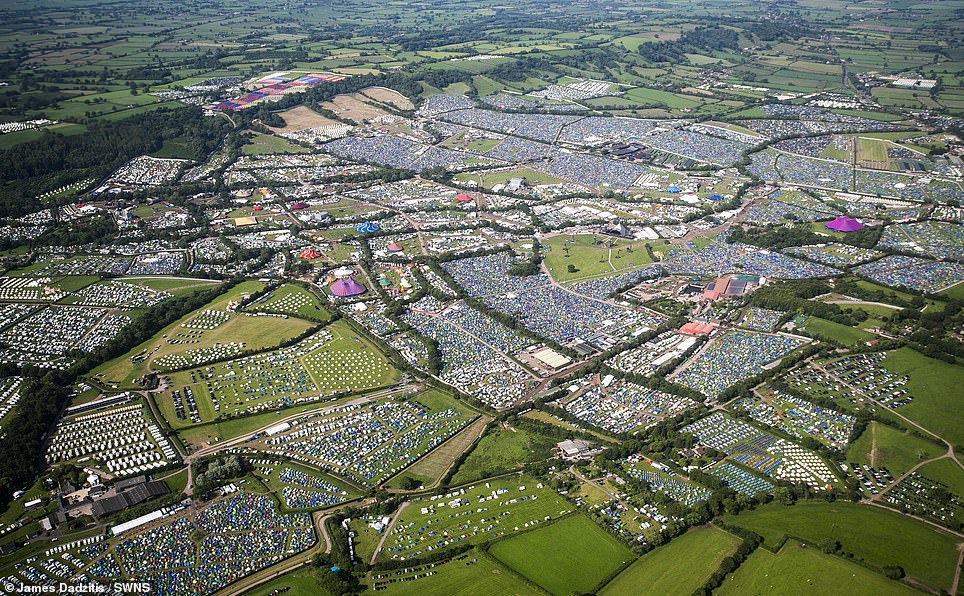
Many attendees report walking around 15 miles per day on average, so at the very least ensure you’re packing comfortable footwear. The proportions of the site are easily lost in translation, and if not considered carefully might be responsibly for ruining your meticulously planned schedule for the weekend. The Pyramid and Other stage may only be a couple hundred metres apart, but the pedestrian route between them will still take about 10 minutes. Add the crowd factor and that increases to 15-20 minutes, or more for popular artists such as headline acts. Add in potential rainy or muddy conditions and you’re looking at a 30 minute trek.
Obviously this is a worst-case scenario, but even in perfect conditions migration from the furthest two stages will take around an hour. Don’t assume that you can make it from Artist A at the John Peel stage all the way to see Artist B at the Acoustic Tent, simply because their set times don’t overlap. You’ll need to factor in walking times between your desired artists, and try to avoid frustration when it’s clear you might have to miss out on seeing someone because of this. I can promise you’ll have a better time taking it easy, soaking in the atmosphere, and not running from stage to stage trying to fit every last thing in.
 Glastonbury.Music.Blog